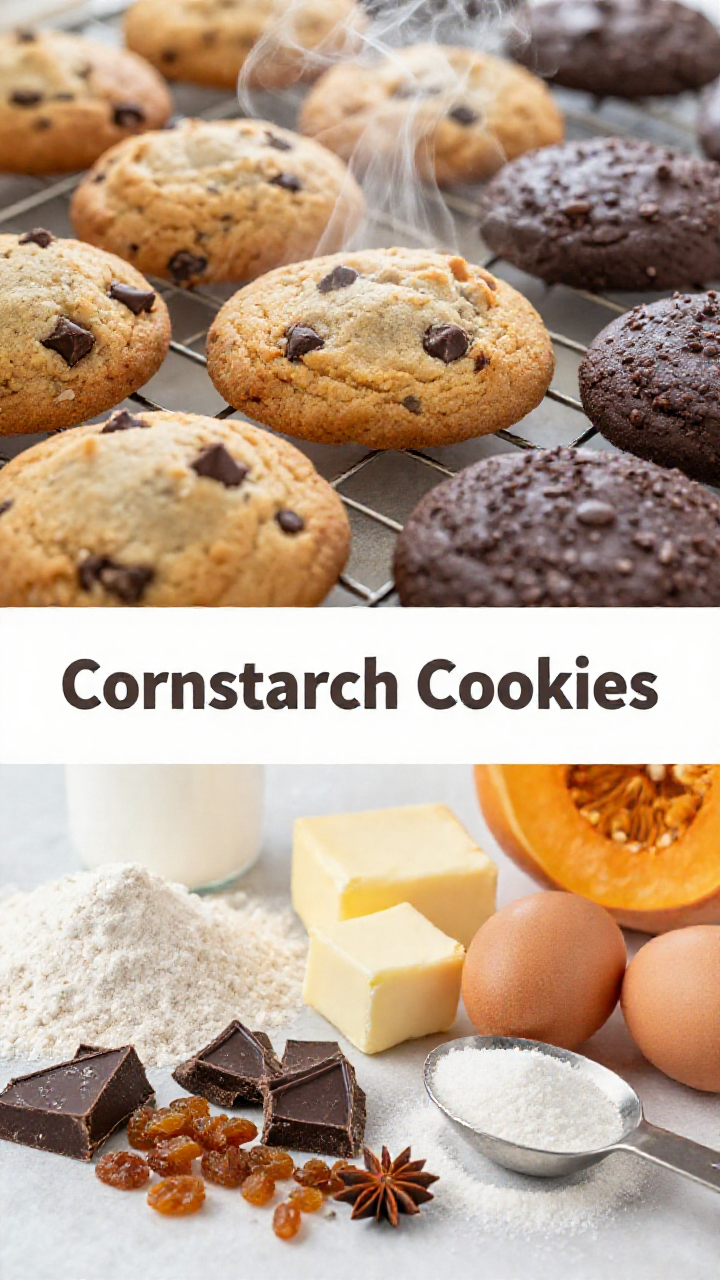

Oh, hello there, darling! Grandma Rose here, ready to share a little secret that’ll transform your cookie baking. I’m often asked, “What does cornstarch do in cookies?” Well, pull up a chair, grab a cup of tea, and let’s unravel the magic together. It’s a simple trick, really, but it makes all the difference.
Baking cookies from scratch is one of life’s simple joys, isn’t it? And sometimes, a little tweak is all you need to elevate your treats to the next level. Adding cornstarch to your cookie recipe is one of those tweaks that can make a world of difference. It’s the kind of thing my own grandma taught me, and now I’m passing it on to you. Think of it as a pinch of fairy dust for your cookies!
Why You’ll Love This
Now, why should you even bother with cornstarch in your cookies, you ask? Well, my dear, there are so many reasons to love this little trick:
- Chewy Texture: Cornstarch is the secret to achieving that perfectly chewy texture that everyone adores. It helps prevent gluten development, resulting in a softer, more delightful bite.
- Softness: Ever wanted cookies that stay soft for days? Cornstarch helps retain moisture, keeping your cookies tender and delicious long after they’ve cooled.
- Thickness: If you’re tired of flat, spread-out cookies, cornstarch is your answer. It acts as a binder, giving your cookies a lovely, thick, and satisfying shape.
- Delicate Crumb: Adding cornstarch creates a more delicate crumb, making each bite melt in your mouth. It’s just like the cookies I remember from my childhood.
Trust me, once you try adding a bit of cornstarch to your cookie dough, you’ll never go back. It’s a game-changer!
Ingredients
Here are some cookie recipes where you can easily incorporate cornstarch to enhance their texture:
- Experience the classic and comforting taste with The Best Chewy Chocolate Chip Cookies, a gooey, chewy delight packed with rich chocolate chunks and a hint of cornstarch for the perfect texture!
- Indulge in the uniquely delicious Chewy Sultana Cookies, where the plump juiciness of sultanas meets a perfectly chewy texture, enhanced by cornstarch to keep them soft and thick!
- Try the delightful Soft and Chewy Chocolate Chipless Cookies for a twist on traditional favorites, focusing on a buttery, soft texture without the distraction of chocolate chips!
- Savor the old-fashioned charm of Snickerdoodle Cookies without Cream of Tartar, offering the beloved sweet and cinnamon-spiced flavor with a soft, pillowy texture!
- Delight in the seasonal warmth of Pumpkin Pie Spice Cookies, where classic fall spices and a touch of cornstarch blend seamlessly into each chewy, flavorful cookie!
- Enjoy the festive fusion in Dark Chocolate Peppermint Cookies, a perfect holiday treat combining rich dark chocolate with a refreshing hint of peppermint!

How Does Cornstarch Work in Cookies?
Now, let’s get into the nitty-gritty of how cornstarch works its magic. Cornstarch, darling, is a pure starch derived from corn. In your cookies, it acts as a tenderizing agent. Here’s what it does:
- Inhibits Gluten Development: When you add cornstarch to cookie dough, it interferes with the formation of gluten, which is a protein that gives baked goods their structure. Less gluten means a more tender cookie.
- Absorbs Moisture: Cornstarch is excellent at absorbing moisture. By soaking up some of the liquid in the dough, it prevents the cookies from spreading too thin and helps them maintain a thicker, chewier texture.
- Creates a Delicate Crumb: The texture and crumb of your cookies are greatly improved with cornstarch. It creates a finer, more delicate crumb, resulting in a melt-in-your-mouth sensation.
Essentially, cornstarch helps create that perfect balance between a soft, chewy interior and a slightly crisp edge. It’s all about the texture, you see!
How to Add Cornstarch to Your Cookie Recipe
Adding cornstarch to your cookie recipe is as easy as pie! Here’s how to do it:
- Measure Accurately: Use about 1 to 2 teaspoons of cornstarch per cup of flour in your recipe. It’s important not to overdo it, as too much can create a dry or crumbly texture. Think of it as adding just a whisper of cornstarch to your cookie recipe.
- Mix with Dry Ingredients: Whisk the cornstarch together with the flour and other dry ingredients to ensure it’s evenly distributed before adding wet ingredients. This prevents clumps and ensures an even texture in your cookies.
- Follow Your Recipe: After adding the cornstarch, proceed with your cookie recipe as usual. The addition shouldn’t affect the dough’s behavior much, so you can bake them according to your standard procedure.
Remember, darling, baking is all about experimenting and finding what works best for you. Don’t be afraid to tweak the amount of cornstarch to achieve your desired texture.
Pro Tips for Perfect Cookies with Cornstarch
To ensure your cookies turn out perfectly every time, here are a few pro tips from Grandma Rose:
- Use Fresh Cornstarch: Make sure your cornstarch is fresh. Over time, it can lose its effectiveness.
- Don’t Overmix: Overmixing the dough can lead to tough cookies. Mix just until the ingredients are combined.
- Chill the Dough: Chilling the dough for at least 30 minutes before baking can help prevent spreading and enhance the flavor.
- Bake at the Right Temperature: Ensure your oven is properly preheated and bake at the correct temperature to achieve the best results.
These little tips can truly elevate your cookies from good to absolutely divine!
Common Mistakes to Avoid
Even the best bakers make mistakes sometimes! Here are a few common pitfalls to avoid when using cornstarch in your cookies:
- Adding Too Much Cornstarch: Too much cornstarch can make your cookies dry and crumbly. Stick to the recommended amount.
- Not Mixing Evenly: If the cornstarch isn’t evenly distributed, you may end up with pockets of dryness or a strange texture.
- Ignoring the Recipe: While it’s good to experiment, always follow the base recipe. Cornstarch is an addition, not a replacement.
Learn from these mistakes, and your cookies will be perfect every time!
Variations to Try
Once you’ve mastered the basic technique, why not try a few variations? Here are some ideas to get you started:
- Chocolate Chip Cookies with a Twist: Add a pinch of sea salt to your chocolate chip cookies for a delightful salty-sweet flavor.
- Peanut Butter Cookies: Incorporate peanut butter into your dough for a rich and nutty treat.
- Oatmeal Cookies: Add rolled oats to your cookie recipe for a heartier, more wholesome cookie.
- Lemon Cookies: Infuse your cookies with lemon zest and juice for a bright and refreshing flavor.
The possibilities are endless, darling! Let your creativity shine.
How to Store Your Cookies
To keep your cookies fresh and delicious, proper storage is key. Here’s how I do it:
- Airtight Container: Store your cookies in an airtight container at room temperature. This will help prevent them from drying out.
- Layer with Parchment Paper: If you’re stacking cookies, place a layer of parchment paper between each layer to prevent them from sticking together.
- Freezing: For longer storage, you can freeze your cookies. Place them in a freezer-safe bag or container and they’ll keep for up to 2-3 months.
Properly stored cookies are a joy to have on hand whenever a craving strikes!
Frequently Asked Questions (FAQ)
Here are some common questions I get about using cornstarch in cookies:
- Can I use tapioca starch instead of cornstarch?: Yes, you can! Tapioca starch is a good substitute, but it may result in a slightly different texture.
- Does cornstarch make cookies gluten-free?: No, cornstarch does not make cookies gluten-free. You’ll need to use gluten-free flour for that.
- Can I add cornstarch to any cookie recipe?: Yes, you can add cornstarch to most cookie recipes to improve the texture.
- How much cornstarch should I use?: Start with 1 to 2 teaspoons per cup of flour and adjust to your liking.
I hope these answers help, darling!
Serving Suggestions
Finally, let’s talk about how to serve your delightful cookies. Here are a few ideas:
- With a Glass of Milk: A classic pairing that never fails to satisfy.
- With a Cup of Tea or Coffee: Perfect for a cozy afternoon treat.
- As a Dessert with Ice Cream: Warm cookies served with a scoop of vanilla ice cream are simply heavenly.
- Gift Them to Friends and Family: Homemade cookies make a wonderful and thoughtful gift.
However you choose to serve them, your cookies are sure to bring joy and smiles to everyone around you. And that, my dear, is what baking is all about. So go ahead, get baking, and spread a little love, one cookie at a time!
Cornstarch in Chocolate Chip Cookies
Now, let’s zoom in on one of the most beloved cookie varieties: Chocolate Chip Cookies. Adding cornstarch in chocolate chip cookies can take them from ordinary to extraordinary. The cornstarch ensures they have that perfect chewy center and slightly crisp edge that everyone craves. It also helps them maintain their shape, preventing them from spreading too thin. The result? A thick, soft, and utterly irresistible chocolate chip cookie.
Cornstarch Cookies: A Recipe for Success
When it comes to cookie recipes, cornstarch is a game-changer. Whether you’re making classic chocolate chip cookies, sugar cookies, or something more adventurous, adding cornstarch can improve the texture and overall eating experience. It’s a simple ingredient that can make a big difference, transforming your cookies into something truly special. So, next time you’re baking, remember Grandma Rose’s secret ingredient and add a touch of cornstarch to your dough. You won’t be disappointed!

What Does Cornstarch Do In Cookies?
Ingredients
Method
- Measure Accurately: Use about 1 to 2 teaspoons of cornstarch per cup of flour.
- Mix with Dry Ingredients: Whisk the cornstarch together with the flour and other dry ingredients.
- Follow Your Recipe: Proceed with your cookie recipe as usual after adding the cornstarch.
Notes